Optimal Seasons for Waterproofing
Waterproofing is most effective when performed under optimal weather conditions. The ideal time typically involves dry, moderate temperatures that allow for proper application and curing of waterproofing materials. Performing waterproofing during unfavorable weather can compromise the integrity and longevity of the protection.
Spring offers moderate temperatures and less rain, making it suitable for waterproofing projects before heavy summer storms.
Early summer provides warm, dry days that facilitate proper application and curing of waterproofing membranes.
Late summer can be ideal if weather conditions remain dry, ensuring optimal adhesion and durability.
Winter is generally unsuitable due to cold temperatures, snow, and increased moisture, which hinder proper application and curing.
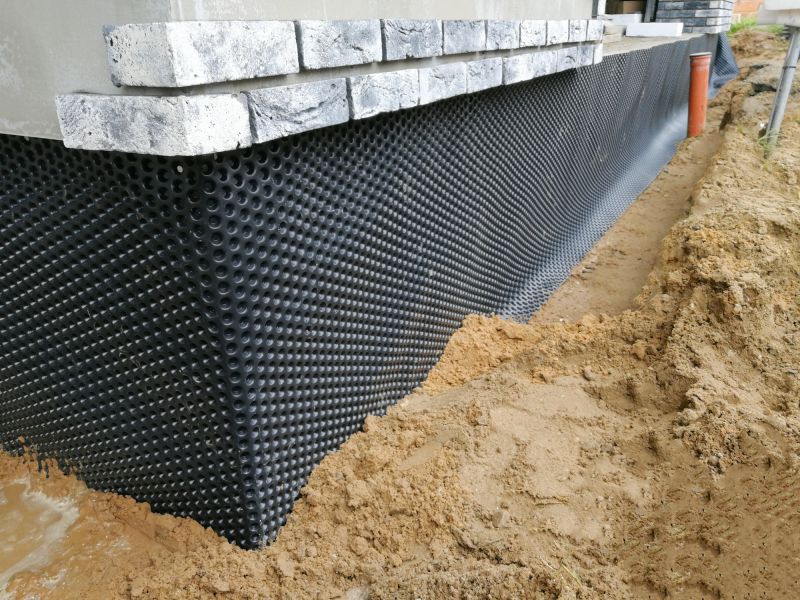
Ways to make Waterproofings work in tight or awkward layouts.
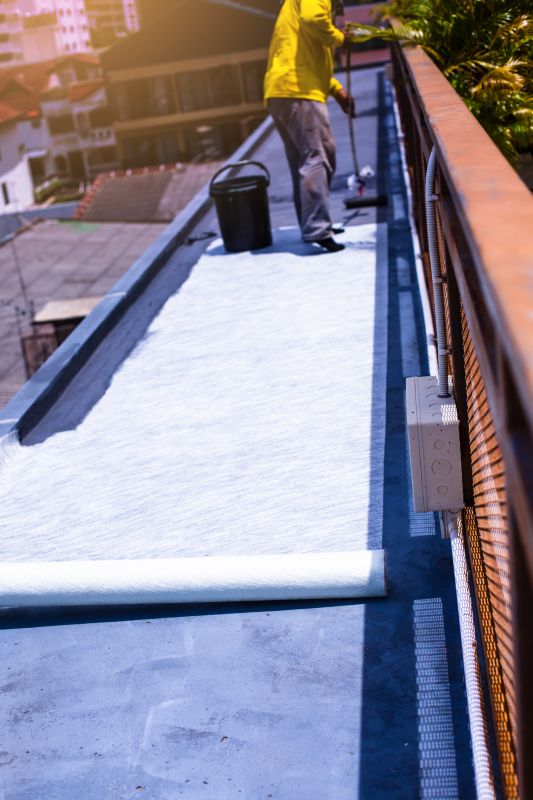
Popular materials for Waterproofings and why they hold up over time.
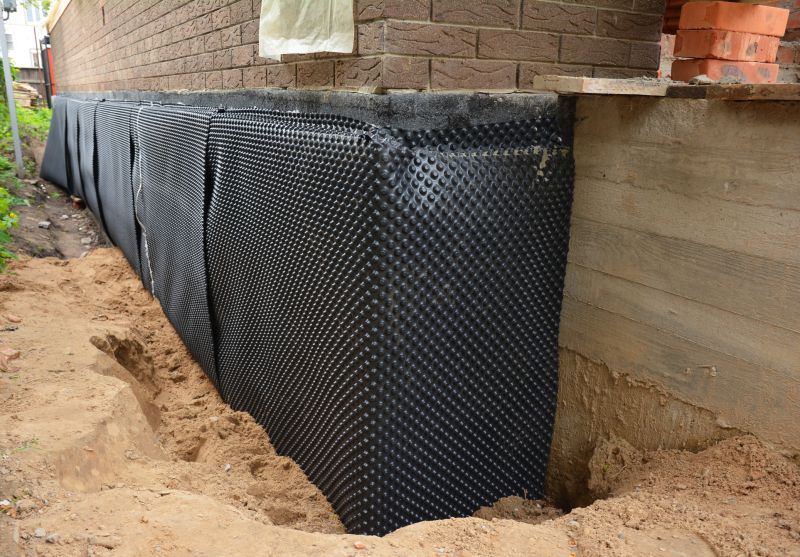
Simple add-ons that improve Waterproofings without blowing the budget.
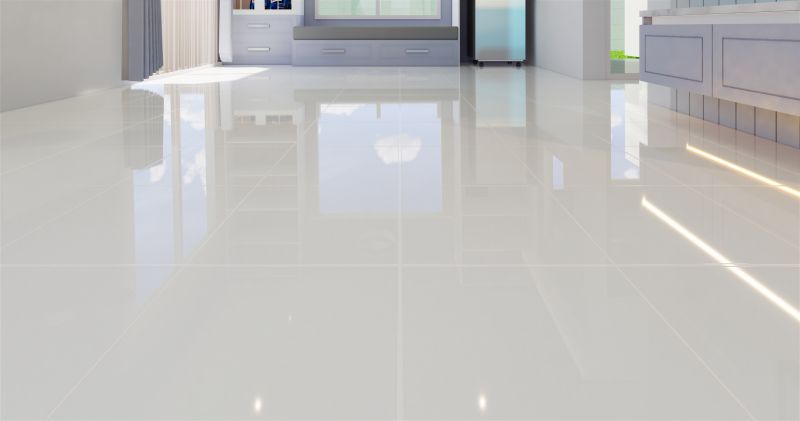
High-end options that actually feel worth it for Waterproofings.
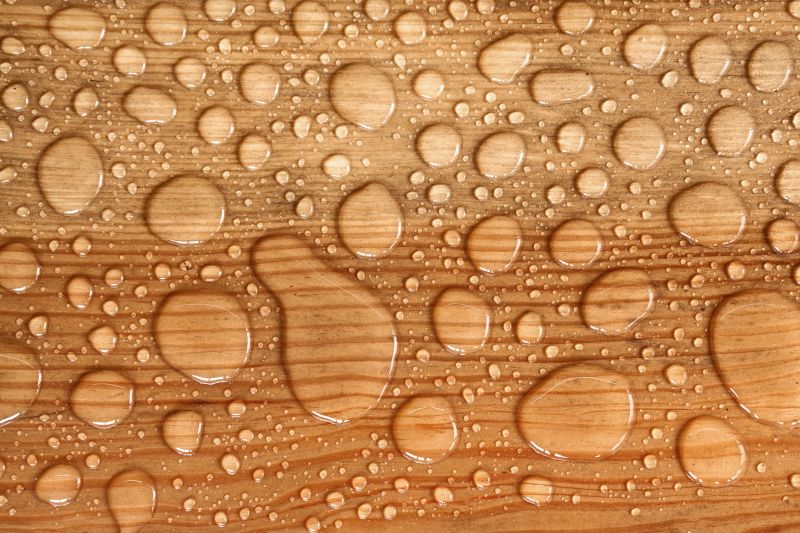
Finishes and colors that play nicely with Waterproofings.
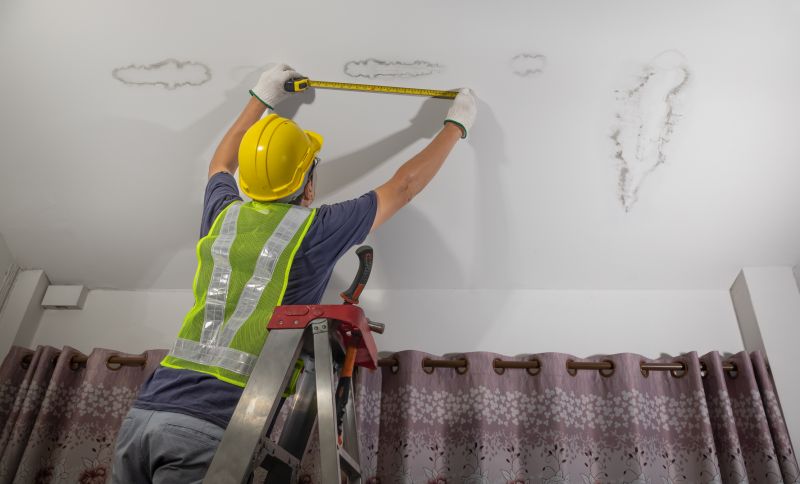
Little measurements that prevent headaches on Waterproofings day.
| Season | Optimal Conditions |
|---|---|
| Spring | Moderate temperatures, little rain, ideal for application |
| Early Summer | Warm, dry days suitable for waterproofing |
| Late Summer | Dry weather supports durability |
| Fall | Above freezing temperatures, minimal precipitation |
| Winter | Cold temperatures and snow make waterproofing unsuitable |
Waterproofings involve applying protective membranes or coatings to surfaces to prevent water penetration. Proper waterproofing extends the lifespan of structures by preventing water damage, mold growth, and structural deterioration. It is a critical component in building maintenance, especially in areas prone to moisture exposure.
Statistics indicate that effective waterproofing can reduce repair costs by up to 50 percent over the lifespan of a building. Proper timing ensures maximum adhesion and performance, making it a vital consideration for construction and renovation projects.
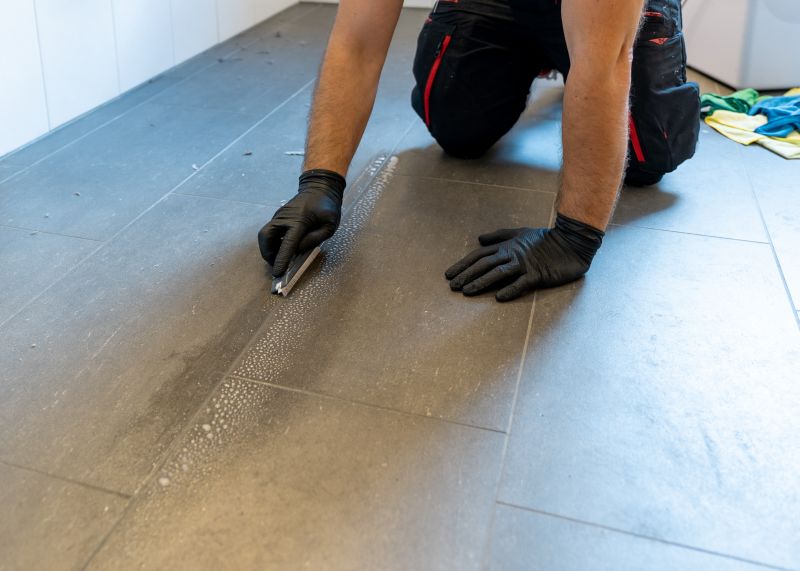
A 60-second routine that keeps Waterproofings looking new.
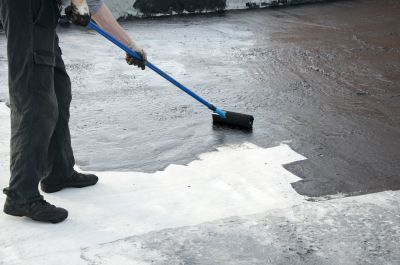
A frequent mistake in Waterproofings and how to dodge it.
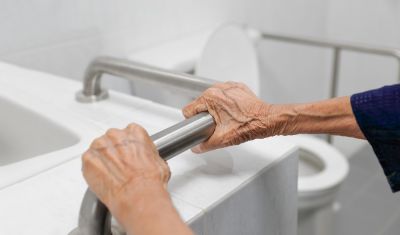
Small tweaks to make Waterproofings safer and easier to use.
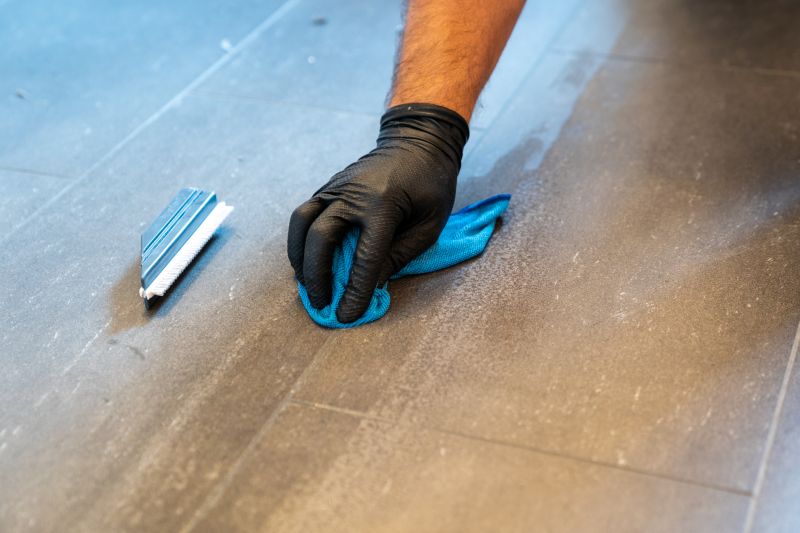
Lower-waste or water-saving choices for Waterproofings.
Those interested in waterproofing services are encouraged to contact for more information. Proper timing and application techniques are essential for ensuring lasting protection against water damage.